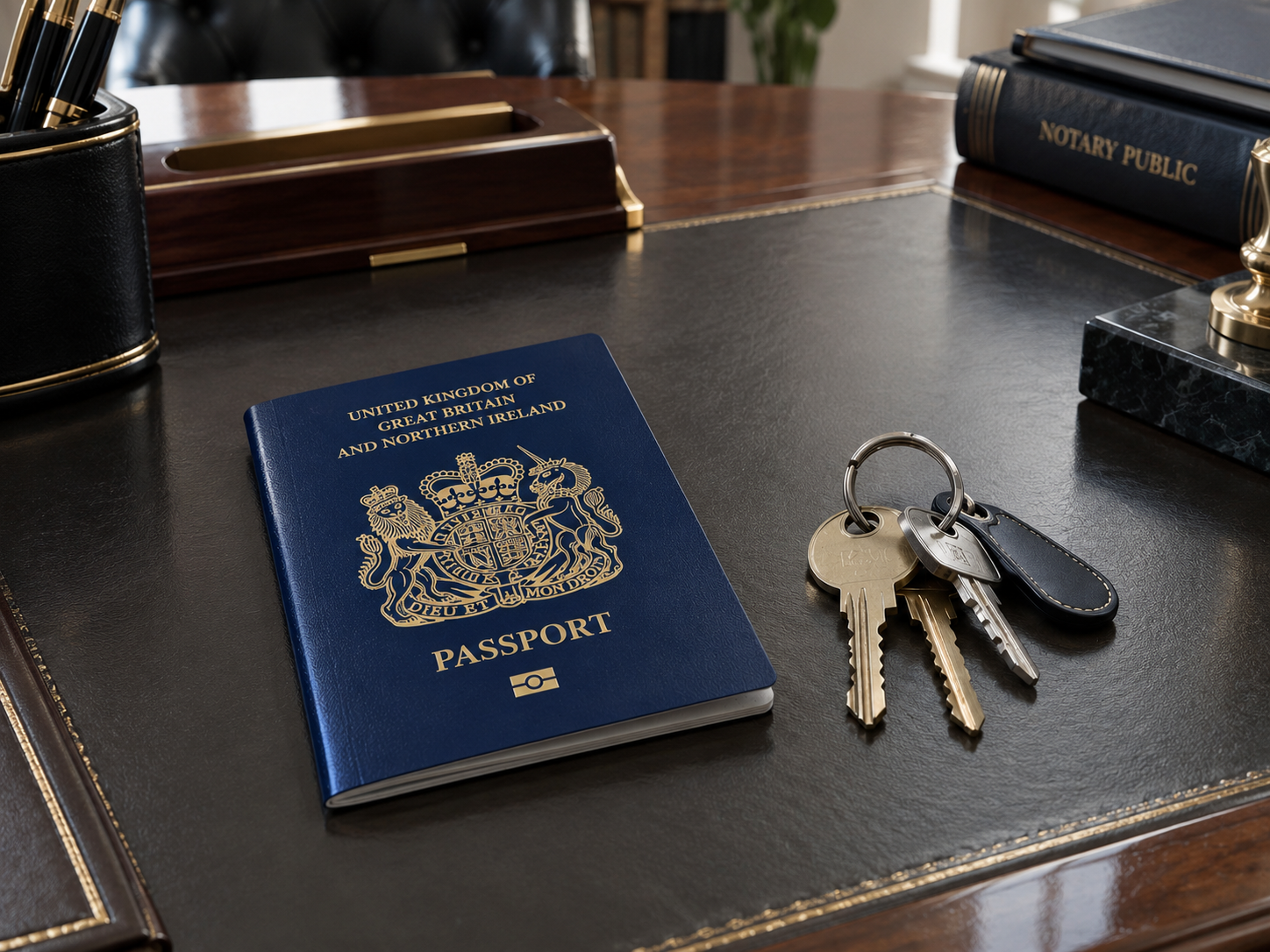
Interesting as it looks, in Spain, passport numbers do not change with each passport renewal. The passport holder keeps the passport number for life. The only information that changes is the date of issuance and the details of the Police Station or the Consulate where the passport was issued. This is not the case in the UK.
No surprise then that some Notaries and Land Registrars when dealing with the sale of a Spanish property owned by a British citizen demand evidence that the person who is selling the property is in fact the same person who bought it in the past.
If the seller was Spanish, it would be dead simple. The National Identification Document (DNI) number or, in certain circumstances, the Spanish passport number would remain the same. If the seller was British and had a Spanish tax number (NIE) when the property was purchased, the problem also disappears. It is in those cases where the seller bought the property without a NIE (and under a different passport number) where the matter becomes protracted.
NIE numbers are now compulsory when doing anything relevant in Spain such as opening a bank account, buying a property or buying a car. However, this was not the case until around 2005. This explains why in old title deeds no NIE number is quoted. Those who bought the property before 2005 had to obtain a NIE number at some point and therefore could provide the Notary Public dealing with the sale of their property with their NIE numbers. However, the Notary still has an obligation to confirm that the seller, who bought the property without a NIE and under a different passport number before 2005, is the same person that is now selling. If not sorted properly, this can jeopardize the sale. How to sort this issue then?
The best way to start is by asking the question. As Francis Bacon said “a prudent question is one-half of the wisdom” so ask the Notary Public that is preparing the title deed. What would satisfy the Notary? What documentation, if any, will give him or her the peace of mind to proceed with the transaction? These are some of the documents that Notaries have accepted in the past:
- The old passports. – The Notary would proceed if provided with all the passports of the seller from the time the property was purchased to today´s date. However, not everyone acts like Jason Bourne (excuse the inevitable cinema pun) and keeps all his passports in a safe at home. Many throw or misplace their old passports when renewing them so what else can be done?
- The original deeds.- I have seen Notaries accepting to proceed with the sale if the seller showed the original deeds on completion date. This document together with the correspondence between the name that appears on the deeds and the name of the seller and, quite important too, the keys to the property, give the Notary the reassurance that he is dealing with the real and legitimate owner. However, some Notaries want a more official document.
- A letter from the UK passport office.- This is the golden goose, the panacea, the ring that rules them all and the solution that is always accepted. A letter issued by the Passport office confirming all the passport numbers of the seller from a specific date to today´s date. This letter shows the seller´s passport chronology and provides the Notary with official proof that the seller and the original owner are the same person.
Why did I leave the most efficient option until the end? Easy answer. Because of the timings involved. A letter from the Passport Office could easily take 4 weeks to be issued, sometimes even more. If the sale is subject to a legally binding contract and to a completion date, the said waiting time could put the seller in breach of contract. However, a reasonable buyer would probably understand the situation and agree to wait. The problem is when the buyer´s mortgage offer is about to expire and not completing on time can involve higher mortgage interest rate or, even worse, some penalties. It is for this reason that the lawyer dealing with the sale should check the title deeds as soon as instructed.
A problem of this nature can be solved if this is envisaged with enough anticipation. And if the issue was not detected on time, then go and ask the Notary. In the end, it is the Notary Public who will indicate what evidence will work and which one will not and the lawyer´s duty to ensure that the document is obtained as promptly as possible.
Q&A on the subject of this post.
- Can I sell my property in Spain if my UK passport number has changed?
- Yes you can provided that you had a Spanish NIE when you bought the property. If you didn´t, then you can still sell the property providing one of the documents mentioned in the article above.
- Why isn’t my NIE number listed on my old Spanish title deed?
- This is usually due to the fact that you did not have a NIE when you bought the property but in certain occasions the Land Registrar may have forgotten to list your NIE. This is not very common but could happen.
- How long does it take to get a passport history confirmation from HM Passport Office?
- It depends on many factors but generally an average of 4 weeks.
Leave a Reply